Machinery Lubrication Analysis Level I
Machinery Lubrication Analysis – Level I (MLA I), Delivered By Jeruel, prepares maintenance professionals to master basic lubricant condition monitoring while meeting requirements for the ICML MLA I certification exam (ISO 18436-4 Category I). This comprehensive 24-hour program covers essential topics including lubrication fundamentals and condition monitoring methods.
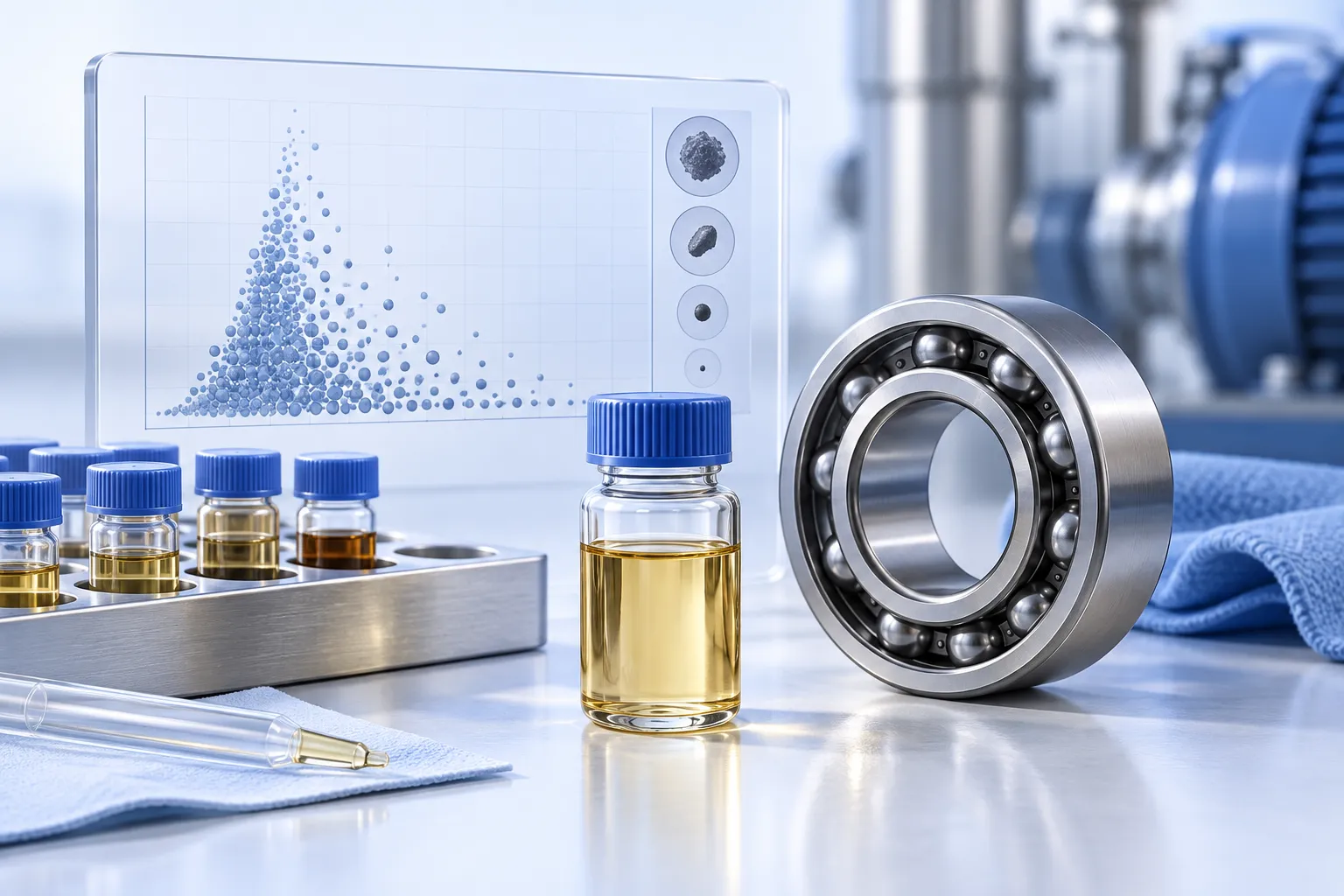
Course Overview
Machinery Lubrication Analysis Level I connects lubrication fundamentals with the collection and interpretation of oil-condition information. The course examines how lubricants support machine operation and how sampling and analysis contribute to informed equipment care. Participants explore lubricant properties, application requirements, cleanliness control, and the information available from common oil-analysis methods.
The program gives particular attention to representative sampling, consistent records, and the relationship between test results and operating conditions. It addresses lubricant condition, contamination, and wear information alongside storage, handling, filtration, and application practices. Participants develop a structured basis for choosing useful measurements and interpreting them within their proper scope, supporting clear communication between maintenance teams, reliability personnel, and analysis providers.
Learning Objectives
By the end of the course, participants will be able to:
- Explain lubrication regimes and the functions of lubricant base stocks and additives.
- Relate viscosity and lubricant properties to machinery and operating requirements.
- Describe application, storage, and handling practices that support lubricant condition.
- Compare cleanliness-control methods and explain relevant filter characteristics.
- Define sampling objectives and select suitable collection and documentation practices.
- Explain the purpose and scope of common tests for lubricant condition and contamination.
- Interpret basic wear-debris information alongside equipment and operating records.
- Use analysis findings to support a reasoned recommendation for further monitoring or maintenance review.
Practical Application
Apply the learning to make lubricant-condition information more consistent and useful for maintenance decisions.
- Representative oil samples: Establish clear sampling points, methods, and records so analysis results relate meaningfully to the equipment being assessed.
- Informed lubricant management: Connect test findings with lubricant selection, cleanliness controls, and operating conditions when reviewing equipment care.
- Clear condition discussions: Present oil-analysis observations with relevant trends and machine information so technical teams can agree appropriate follow-up.


- 15 Modules
- 4 Assessments
- Recorded Session Access
- Pre-Course Assessment
- Post-Course Assessment
- Course Completion Certificate
- Project Validation Certificate
- Maintenance Technician
- Reliability Engineer
- Mechanical Engineer
- Lubrication Specialist
- Maintenance Supervisor
- Equipment Engineer
- Asset Integrity Engineer
- Maintenance Planner
- Condition Monitoring Technician
