Masterclass Fire Protection Management
The Masterclass in Fire Protection Management is an advanced 20-hour training program designed for professionals who oversee fire safety in their organizations. Through 10+ comprehensive lessons, participants develop crucial knowledge and practical skills in fire protection principles, safety system management, regulatory compliance, and risk assessment.
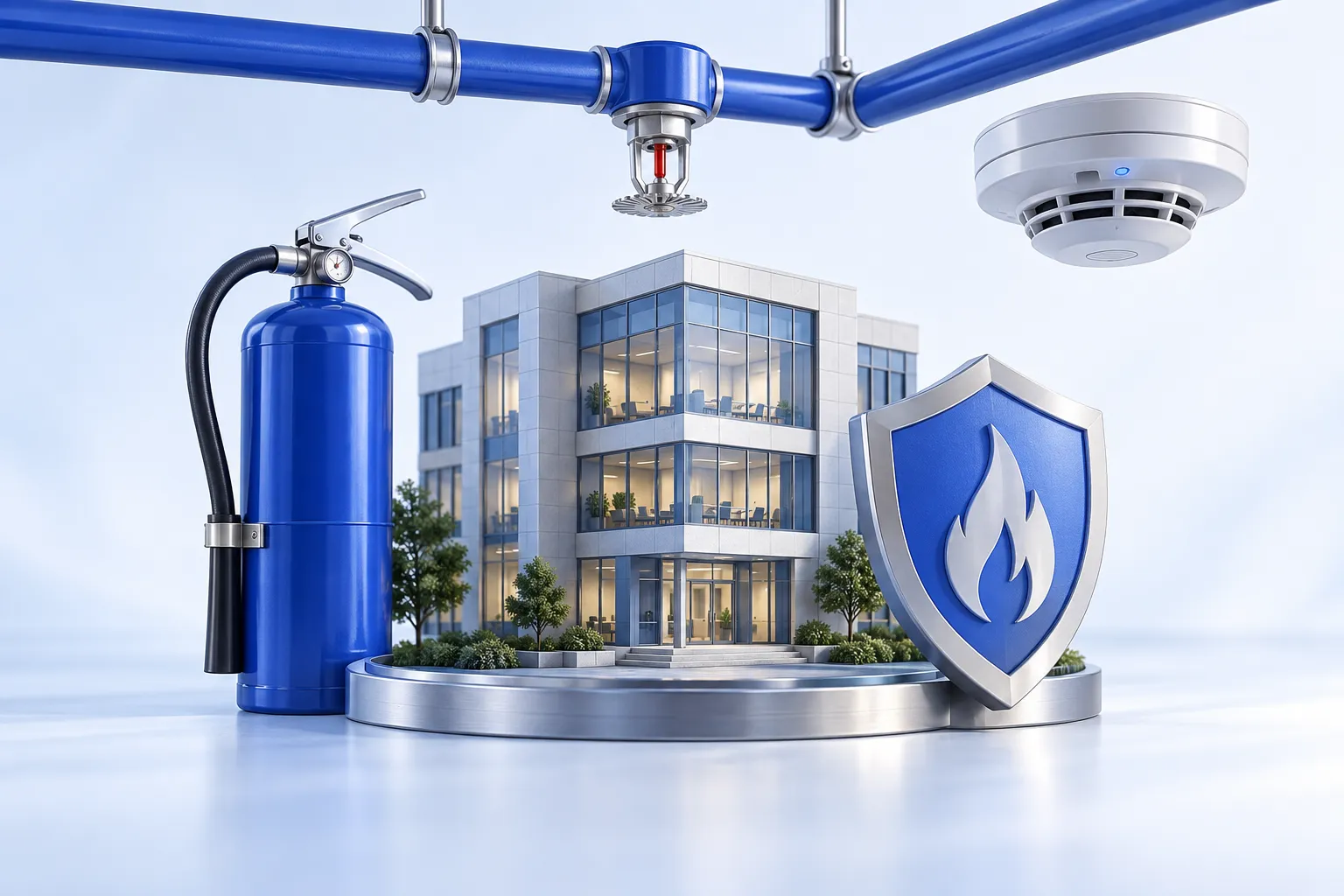
Course Overview
Masterclass Fire Protection Management develops a coordinated approach to protecting people, facilities, and operations through sound fire safety management. The course connects fire behavior with protection systems, risk assessment, emergency planning, and organizational responsibilities. Participants examine how these areas contribute to a prepared workplace and a clearly managed fire protection program.
The program addresses detection, alarm, and suppression systems alongside the inspection, testing, and maintenance arrangements that support their readiness. It considers how applicable codes, system requirements, and competent technical input inform management decisions. Participants also explore evacuation planning, role definition, and performance review. The emphasis is on understanding the purpose of protective measures and coordinating the people, information, and activities needed to keep them effective.
Learning Objectives
By the end of the course, participants will be able to:
- Explain how combustion and fire behavior inform fire protection decisions.
- Distinguish the functions of detection, alarm, suppression, and portable fire protection equipment.
- Apply a structured approach to identifying fire hazards and assessing relevant risks.
- Relate fire protection arrangements to applicable codes and system requirements.
- Define emergency planning, communication, and evacuation responsibilities.
- Identify system-specific inspection, testing, maintenance, and documentation needs.
- Use inspection findings and event reviews to prioritize fire safety development actions.
Practical Application
Apply the learning to strengthen protection-system readiness and coordinated fire safety management.
- Well-managed protection systems: Connect equipment records, applicable requirements, and qualified inspection and maintenance support in a clear management process.
- Prepared workplace teams: Establish understood responsibilities and communication arrangements that support the organization's emergency and evacuation plans.
- Focused safety reviews: Bring risk assessments, inspection findings, and practical experience together to guide protection priorities and continuing program development.


- 12 Modules
- 4 Assessments
- Recorded Session Access
- Pre-Course Assessment
- Post-Course Assessment
- Course Completion Certificate
- Project Validation Certificate
- Fire Safety Manager
- Health and Safety Manager
- Fire Protection Engineer
- Safety Officer
- Environmental Health and Safety (EHS) Specialist
- Facilities Manager
- Compliance Officer
- Risk Manager
- Emergency Response Coordinator
- Building Manager
