Piping Inspection
Our API 570 Piping Inspector Certification course prepares you for this prestigious ANSI-accredited credential administered by the American Petroleum Institute. This comprehensive program focuses on validating your expertise in inspection, maintenance, alteration, and repair of in-service metallic piping systems—critical skills for ensuring safety and regulatory compliance.
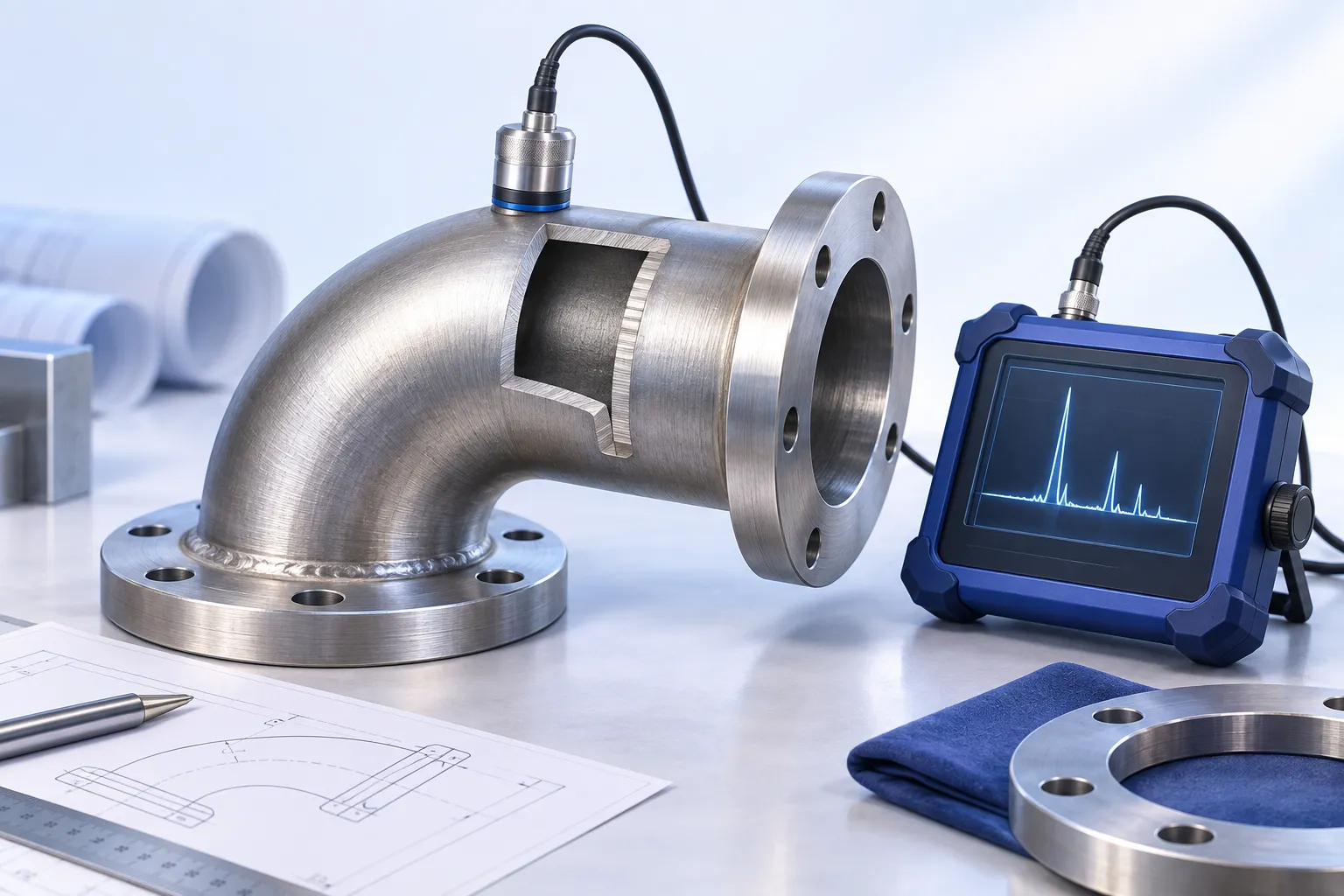
Course Overview
Piping Inspection develops the technical understanding needed to assess and manage in-service metallic process piping. The course connects inspection planning and condition assessment with maintenance, repair, alteration, and documentation. Participants examine API 570 and relevant supporting references in the context of sound inspection decisions and continued piping integrity.
The program addresses piping components, inspection methods, corrosion information, remaining-life calculations, and the basis for inspection planning. It also examines how code requirements and engineering input guide repair and alteration decisions. Structured practice supports reference navigation and the application of calculations relevant to API 570 preparation. The emphasis is on interpreting evidence, documenting the basis for recommendations, and recognizing the responsibilities of qualified inspection and engineering personnel.
Learning Objectives
By the end of the course, participants will be able to:
- Explain the purpose and scope of API 570 for in-service process piping.
- Relate piping components, service conditions, and deterioration mechanisms to inspection planning.
- Compare visual inspection and nondestructive examination methods for defined inspection needs.
- Calculate corrosion rates and remaining life from suitable example data.
- Explain how condition information and applicable requirements inform inspection intervals.
- Identify inspection, documentation, and engineering considerations for repairs, alterations, and rerating.
- Navigate relevant code references, including API 570 and ASME B31.3, for defined questions.
- Apply technical reasoning and relevant calculations to API 570-style practice questions.
Practical Application
Apply the learning to support traceable inspection decisions and well-coordinated piping integrity activities.
- Evidence-based inspection plans: Connect service conditions, inspection histories, and relevant requirements when reviewing the scope and timing of piping inspections.
- Clear condition assessments: Present measurements, calculation assumptions, and inspection findings so qualified personnel can review the basis for recommendations.
- Coordinated repair preparation: Bring inspection, engineering, and documentation requirements together before approved repair or alteration activities.
- Structured technical study: Build a consistent approach to reference navigation and calculation practice for professional examination preparation.


- 15 Modules
- 4 Assessments
- Recorded Session Access
- Pre-Course Assessment
- Post-Course Assessment
- Course Completion Certificate
- Project Validation Certificate
- Piping Inspector
- Maintenance Engineer
- Quality Control Engineer
- Mechanical Engineer
- Inspection Manager
- Reliability Engineer
- Plant Engineer
- Welding Inspector
- Safety Engineer
- Operations Supervisor
