Reliability Centered Maintenance
Our Reliability Centered Maintenance (RCM) course teaches you a structured approach to determining optimal maintenance requirements for physical assets in their operating context. Developed and Delivered By Jeruel, this comprehensive program has saved organizations millions in maintenance costs.
Course Overview
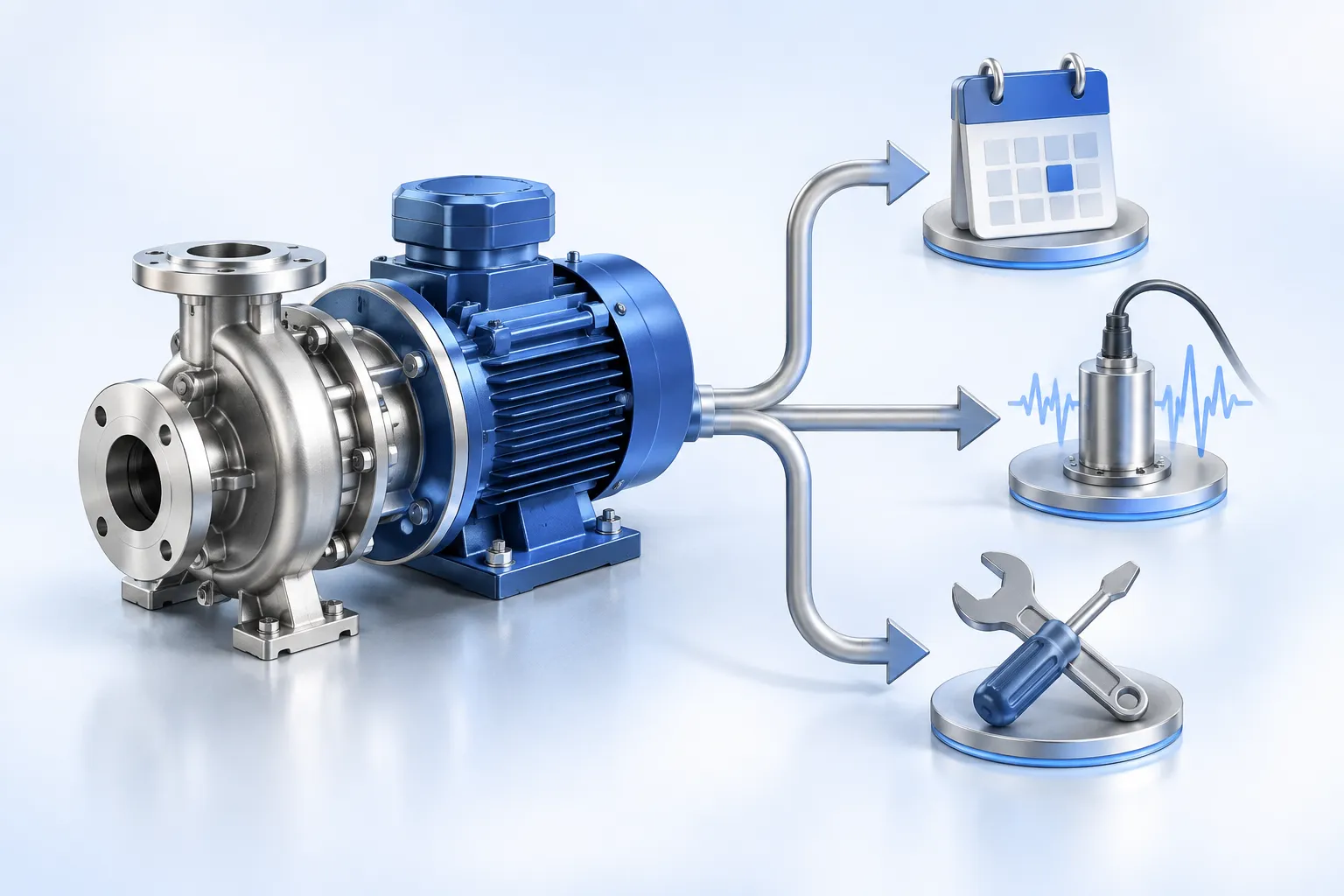
Reliability Centered Maintenance develops a structured approach to selecting maintenance that supports an asset's required functions. The course begins with operating context and performance expectations, then connects functions, failure modes, effects, and consequences with appropriate maintenance decisions. Participants examine how this reasoning gives each task a clear technical purpose.
The program brings together RCM principles, structured analysis, task-selection criteria, and implementation planning. It considers condition-based tasks, scheduled restoration or replacement, and the actions suited to different functional and consequence requirements. Participants learn to document the basis for their choices and translate analysis into practical maintenance arrangements. The emphasis is on preserving required performance through technically appropriate decisions that can be reviewed as equipment information and operating needs develop.
Learning Objectives
By the end of the course, participants will be able to:
- Define an asset's operating context, functions, and required performance standards.
- Distinguish functional failures, failure modes, failure effects, and failure consequences.
- Develop a structured failure modes and effects analysis for a defined asset.
- Classify consequences to guide maintenance task selection.
- Evaluate condition-based and scheduled tasks for technical applicability and effectiveness.
- Explain when failure-finding, run-to-failure, or a design change is an appropriate action.
- Document the basis for task choices, intervals, and implementation responsibilities.
- Use operating experience and condition information to review maintenance decisions.
Practical Application
Apply RCM reasoning to give maintenance strategies a clear connection to required asset performance.
- Purposeful equipment care: Link each proposed maintenance task to the asset function, mechanism, and consequence it addresses.
- Well-supported maintenance decisions: Record the evidence and criteria behind task selection and interval choices so recommendations can be reviewed and explained.
- Practical implementation: Translate analysis into defined tasks, responsibilities, and review arrangements that fit the site's work-management process.
- Continuing strategy development: Use new equipment knowledge and operating experience to keep maintenance decisions aligned with current needs.


- 18 Modules
- 4 Assessments
- Recorded Session Access
- Pre-Course Assessment
- Post-Course Assessment
- Course Completion Certificate
- Project Validation Certificate
- Maintenance Engineer
- Reliability Engineer
- Maintenance Manager
- Plant Engineer
- Asset Manager
- Operations Manager
- Maintenance Planner
- Reliability Technician
- Mechanical Engineer
- Maintenance Supervisor
