Challenges in Industrial Maintenance

November 27, 2025
30-45 Min. To Read

Introduction

Overview of the importance of maintenance in industrial settings

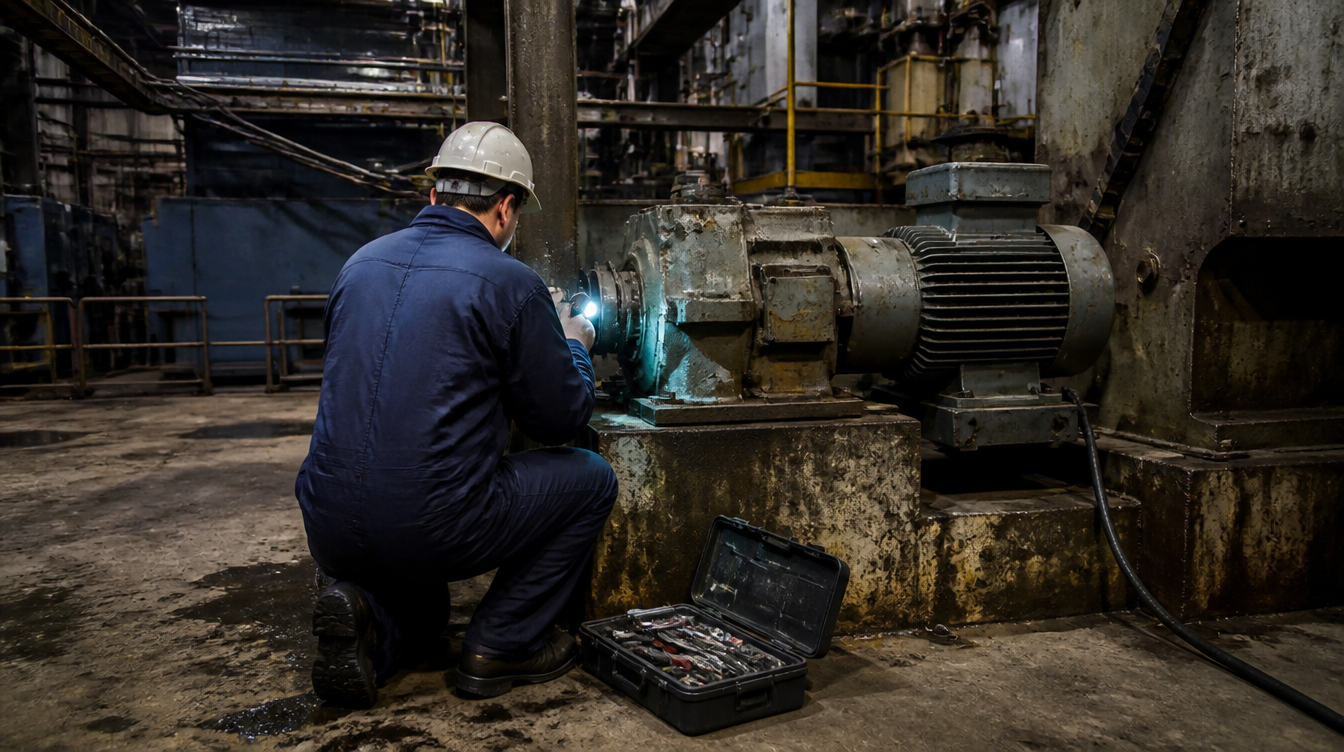
Industrial maintenance plays a critical role in ensuring the reliability and efficiency of manufacturing operations. It encompasses a variety of activities, including inspections, repairs, and preventive measures aimed at maintaining equipment functionality. The primary objective is to minimize downtime, extend the lifespan of machinery, and enhance overall productivity. Effective maintenance strategies are essential for organizations to operate smoothly, as they help mitigate the risks associated with equipment failures.

Historically, maintenance approaches have evolved from reactive strategies—where repairs occur only after failures—to more proactive methods like preventive and predictive maintenance. This shift is crucial in modern industrial settings, where unplanned downtime can lead to significant financial losses and operational disruptions. By adopting predictive maintenance techniques that leverage data analytics and IoT technologies, organizations can anticipate potential failures and address them before they escalate into costly breakdowns.

Moreover, a reliable manufacturing environment fosters customer satisfaction by consistently delivering high-quality products. Companies that prioritize maintenance not only improve their operational efficiency but also strengthen their market position and brand loyalty. As industries continue to face challenges such as labor shortages and aging infrastructure, the importance of effective maintenance strategies becomes increasingly evident in driving sustainable growth and competitive advantage.

Definition of key terms and concepts

Key terms and concepts in industrial maintenance are essential for understanding the field's dynamics and practices.

Maintenance refers to the activities undertaken to preserve or restore equipment functionality, ensuring it operates reliably and safely.

Reactive Maintenance is a strategy where repairs are made only after equipment failure occurs, often leading to increased downtime and higher costs due to emergency interventions.

Preventive Maintenance involves scheduled maintenance tasks aimed at preventing equipment failures before they happen, including routine inspections and part replacements based on predetermined intervals.

Predictive Maintenance utilizes data analytics and IoT technologies to monitor equipment conditions continuously, allowing organizations to forecast potential failures and optimize maintenance efforts accordingly.

Reliability-Centered Maintenance (RCM) focuses on prioritizing maintenance activities based on the criticality of equipment and understanding potential failure modes, enhancing reliability while minimizing costs.

Downtime is the period during which equipment is not operational, significantly impacting productivity and operational efficiency.

Operational Efficiency refers to the ability of an organization to deliver products or services effectively with minimal waste, maximizing resource utilization.

Understanding these terms provides a foundational framework for discussing the challenges and strategies related to industrial maintenance in today's evolving landscape.

Labor Shortages and Skills Gaps

Analysis of current labor market challenges

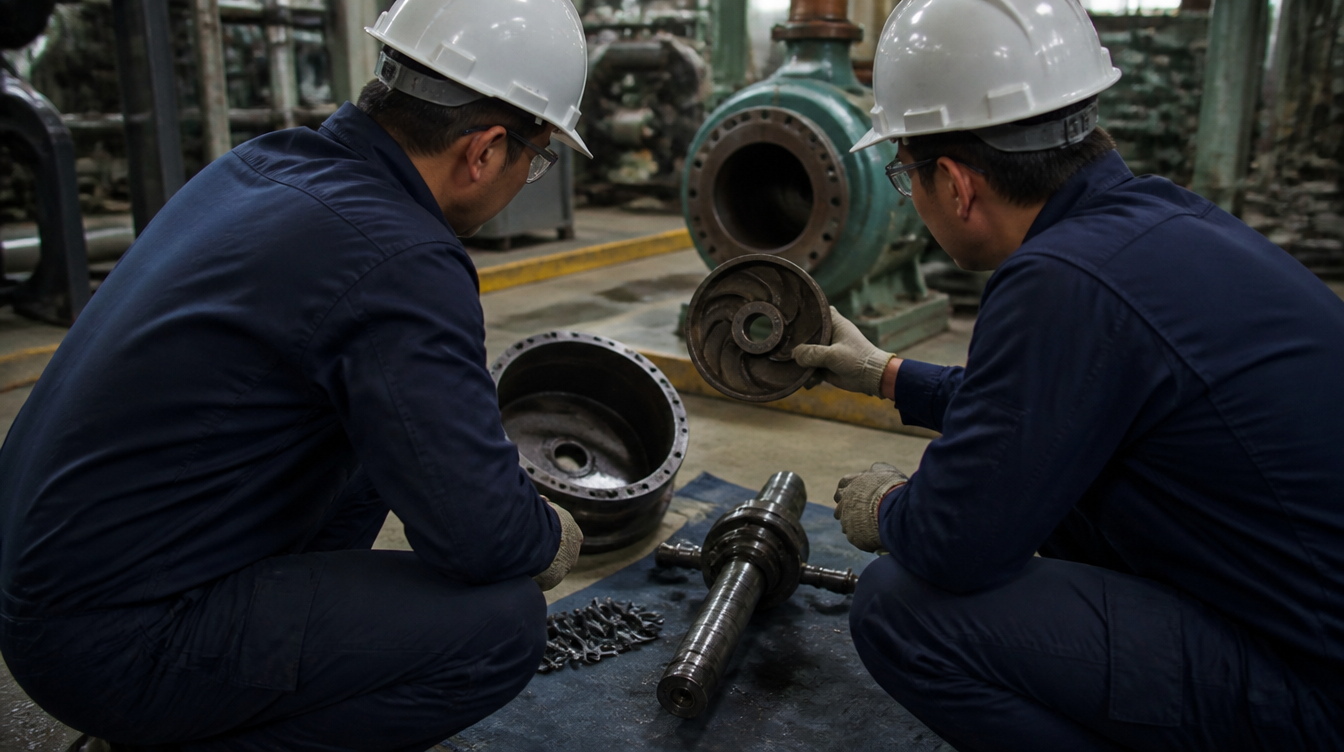
The current labor market in industrial maintenance faces significant challenges that hinder operational efficiency and productivity. One of the primary issues is the skills gap, which arises from rapid technological advancements outpacing workforce training. As industries adopt more sophisticated technologies like IoT and AI, the demand for skilled technicians who can operate and maintain these systems has surged. However, many workers lack the necessary training, leading to a shortage of qualified personnel.

Additionally, the aging workforce exacerbates this problem. Many experienced technicians are nearing retirement age, creating a vacuum of knowledge and expertise in the field. This demographic shift not only limits the available talent pool but also places increased pressure on remaining employees, who may struggle to fill the gaps left by departing colleagues.

Moreover, educational mismatches contribute to labor shortages. Current educational programs often do not align with the evolving needs of the industry, leaving graduates ill-prepared for practical applications in maintenance roles. This disconnect results in organizations investing time and resources into retraining new hires, further straining operational capabilities.

These labor market challenges necessitate strategic interventions to enhance workforce readiness and ensure that organizations can effectively meet their maintenance needs in a rapidly changing industrial landscape.

Factors contributing to skills shortages

Several factors contribute to the skills shortages in the industrial maintenance sector, significantly impacting operational efficiency.

Rapid Technological Change is a primary driver, as advancements in automation, IoT, and AI outpace workforce training programs. Many technicians lack the necessary skills to operate and maintain new technologies, leading to a mismatch between job requirements and available talent.

Aging Workforce further exacerbates the issue, with a significant portion of experienced technicians nearing retirement. This demographic shift leaves a gap in expertise and knowledge, as younger workers often do not possess the same level of hands-on experience.

Educational Mismatches also play a critical role. Current educational curricula may not adequately prepare students for the specific demands of industrial maintenance roles, resulting in graduates who are ill-equipped for practical applications.

Additionally, Evolving Job Market Demands require workers to adapt quickly to new technologies and methodologies. However, many organizations are slow to implement training programs that align with these evolving needs, leaving employees without the necessary skills to thrive in their roles.

Lastly, Perceptions of the Industry can deter potential candidates. The maintenance field is often viewed as less appealing compared to other career paths, leading to fewer individuals pursuing relevant training and education.

Impact on productivity and operational costs

The impact of maintenance strategies on productivity and operational costs in industrial settings is profound. Effective maintenance practices directly correlate with enhanced productivity, as reliable equipment minimizes interruptions in production processes. When machinery operates smoothly, the likelihood of unplanned downtime decreases, allowing organizations to maintain consistent output levels. This reliability not only boosts productivity but also contributes to meeting customer demands promptly, thereby fostering customer satisfaction and loyalty.

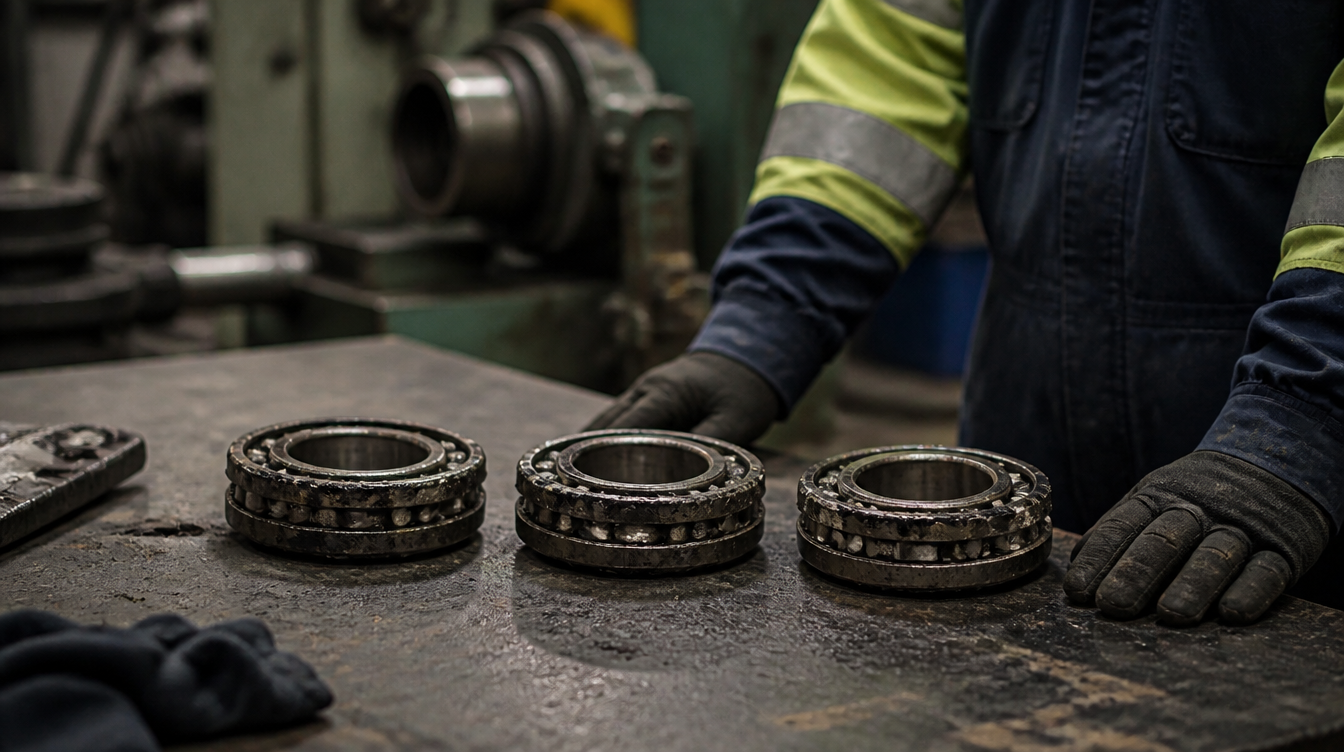
Conversely, inadequate maintenance can lead to significant operational costs. Unplanned breakdowns often result in emergency repairs, which are typically more expensive than scheduled maintenance. These unexpected failures can disrupt production schedules, leading to lost revenue and increased labor costs due to overtime or the need for temporary replacements. Moreover, the costs associated with repairing damaged equipment can escalate quickly, impacting the overall budget.

Additionally, high maintenance costs can strain financial resources, diverting funds from other critical areas such as innovation and workforce development. Organizations that fail to prioritize effective maintenance may find themselves at a competitive disadvantage, as their inability to optimize resource utilization and reduce operational costs can hinder long-term growth and sustainability. Thus, investing in robust maintenance strategies is essential for maximizing productivity while controlling operational expenses.

Resistance to Change

Understanding organizational resistance to new technologies

Organizational resistance to new technologies is a significant barrier to the successful implementation of advanced maintenance strategies in industrial settings. This resistance often stems from fear of the unknown, where employees are apprehensive about how new technologies will affect their roles and job security. The introduction of automation and AI can evoke anxiety among workers who may feel their jobs are at risk, leading to pushback against adopting these innovations.

Another contributing factor is attachment to the status quo. Many employees are accustomed to established processes and may view changes as unnecessary disruptions rather than opportunities for improvement. This mindset can create a culture that resists change, making it challenging for organizations to transition to more efficient maintenance practices.

Lack of trust in leadership also plays a crucial role. If employees do not believe that management has their best interests at heart or if they perceive a lack of transparency regarding the reasons for technological changes, resistance is likely to increase.

Furthermore, insecurity about new skills can deter employees from embracing technology. Workers often feel unprepared to adapt to new tools or systems, leading to reluctance in engaging with these innovations. Addressing these factors through effective communication, training, and support is essential for fostering a culture that embraces technological advancements.

Psychological factors influencing resistance

Organizational resistance to new technologies is often influenced by various psychological factors that can impede the adoption of innovative maintenance practices. One significant factor is fear of the unknown, where employees may feel anxious about how new technologies will alter their roles and responsibilities. This fear can lead to a reluctance to engage with new systems, as workers may worry about their ability to adapt and succeed in a changing environment.

Another psychological barrier is loss aversion, which refers to the tendency for individuals to prefer avoiding losses over acquiring equivalent gains. Employees may perceive the introduction of new technologies as a potential loss of control over their work processes or job security, prompting resistance to change.

Cognitive dissonance also plays a role, as individuals may experience discomfort when faced with conflicting beliefs about the necessity and effectiveness of new technologies. If employees have previously relied on traditional methods, they may struggle to reconcile these beliefs with the push for modernization.

Additionally, group dynamics can influence resistance; if key team members express skepticism or opposition, it can create a collective reluctance among peers to embrace change. Addressing these psychological factors through effective communication, training, and support is crucial for fostering a more accepting attitude toward technological advancements.

Strategies for managing change effectively

To manage change effectively when introducing new technologies in industrial maintenance, organizations can adopt several strategic approaches.

1. Clear Communication: Establishing transparent communication channels is essential. Leaders should articulate the reasons for the change, the benefits of the new technologies, and how they align with organizational goals. This helps alleviate fears and build trust among employees.

2. Involvement of Employees: Engaging employees in the change process fosters a sense of ownership and reduces resistance. Involving them in decision-making or pilot programs allows for valuable feedback and encourages acceptance of new technologies.

3. Comprehensive Training Programs: Providing thorough training ensures that employees feel competent and confident in using new technologies. Tailored training sessions can address specific skills gaps and ease the transition.

4. Gradual Implementation: Instead of a sudden overhaul, organizations should consider a phased approach to technology adoption. Gradual implementation allows employees to acclimate to changes without feeling overwhelmed.

5. Support Systems: Establishing support systems, such as mentorship programs or help desks, can assist employees in navigating new technologies. This ongoing support reinforces learning and encourages adaptation.

6. Recognizing and Rewarding Adaptation: Acknowledging employees who embrace change can motivate others to follow suit. Implementing reward systems for successful adaptation fosters a positive culture around technological advancements.

Costs of Implementing New Technologies

Breakdown of costs associated with technology adoption

The costs associated with technology adoption in industrial maintenance can be significant and multifaceted.

1. Implementation Costs: These include expenses related to acquiring new technologies, such as purchasing software licenses, hardware, and necessary infrastructure upgrades. Initial setup often requires substantial investment to ensure compatibility with existing systems.

2. Training Expenses: Organizations must allocate funds for training employees to effectively use new technologies. This includes costs for developing training programs, hiring external trainers, and the time employees spend away from regular duties to participate in training sessions.

3. Integration Challenges: Integrating new technologies with legacy systems can be complex and costly. Organizations may face unexpected expenses related to system modifications, data migration, and ensuring seamless communication between old and new platforms.

4. Maintenance Costs: Once new technologies are implemented, ongoing maintenance is required to ensure they function correctly. This may involve subscription fees for software updates, technical support services, and routine system checks.

5. Downtime Costs: During the transition phase, organizations may experience temporary downtime as employees adapt to new systems or as technology is integrated. This downtime can lead to lost productivity and revenue, further straining operational budgets.

Understanding these costs is crucial for organizations to plan effectively and mitigate financial risks associated with adopting advanced maintenance technologies.

Discussion on integration challenges and potential downtime

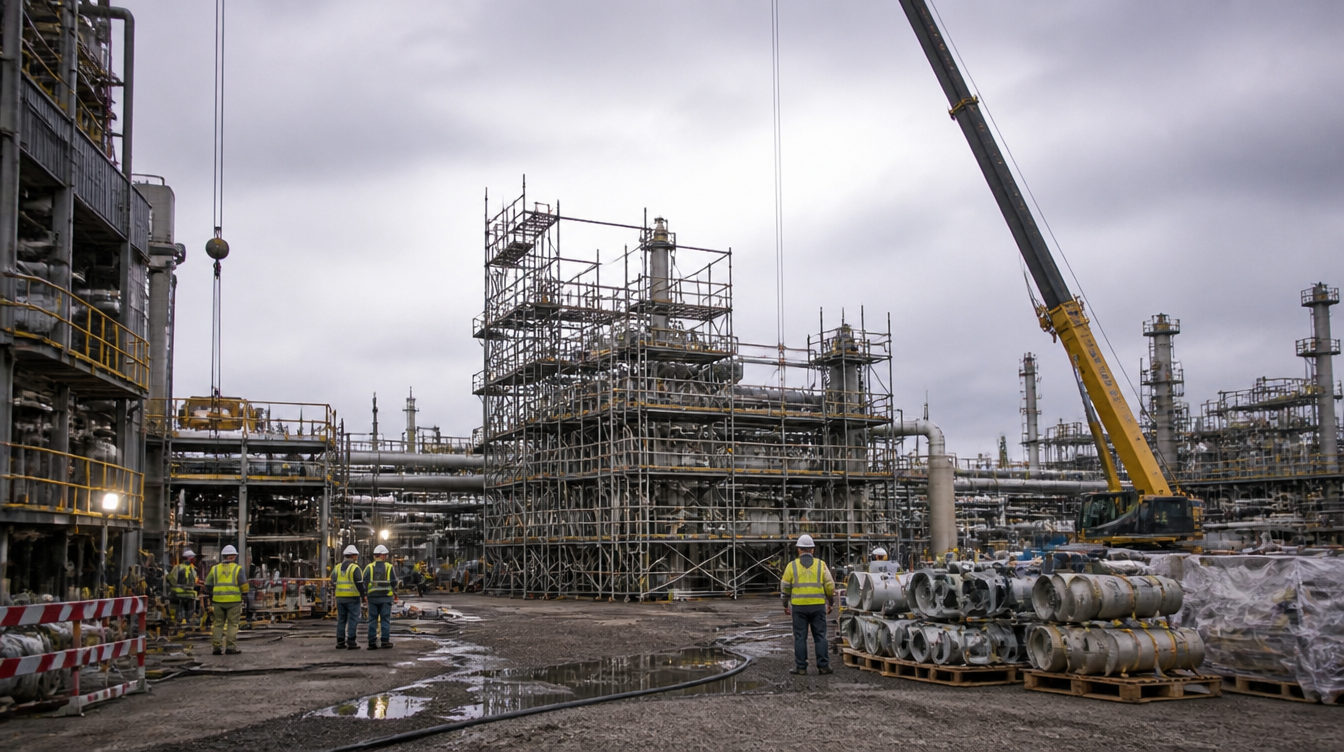
Integration challenges during the adoption of new technologies in industrial maintenance can significantly impact operational efficiency. One primary challenge is the compatibility of new systems with existing infrastructure. Organizations often rely on legacy systems that may not seamlessly integrate with advanced technologies, resulting in complex and costly modifications. This incompatibility can lead to delays in implementation and increased frustration among staff.

Data migration also poses a significant hurdle. Transitioning from old systems to new ones involves transferring vast amounts of data, which can be time-consuming and prone to errors. Ensuring data integrity during this process is crucial, as any discrepancies can lead to operational disruptions and misinformed decision-making.

Moreover, there is the potential for temporary downtime during the integration phase. As new technologies are introduced, employees may require time to adapt to unfamiliar systems, leading to reduced productivity. This downtime can be particularly costly, as it may disrupt production schedules and delay project timelines.

Finally, employee resistance to change can exacerbate integration challenges. Workers may feel apprehensive about learning new technologies, leading to reluctance in fully utilizing the new systems. Addressing these integration challenges proactively is essential for minimizing downtime and ensuring a smooth transition to advanced maintenance practices.

Financial implications for organizations

The financial implications of adopting new technologies in industrial maintenance are substantial and multifaceted. Organizations must consider initial capital expenditures, which encompass the costs associated with purchasing new equipment, software licenses, and necessary infrastructure upgrades. These upfront investments can strain budgets, particularly for small to medium-sized enterprises.

Training costs also represent a significant financial burden. Employees require comprehensive training to effectively use new technologies, which involves not only direct costs for training programs but also indirect costs related to employee downtime during training sessions. This can temporarily reduce productivity and impact overall operational efficiency.

Furthermore, organizations face integration challenges that can lead to unexpected expenses. The need to modify existing systems to accommodate new technologies may incur additional costs, such as hiring external consultants or investing in custom solutions.

Potential downtime during the transition phase can result in lost revenue, as production may be halted or slowed while employees adapt to new systems. This downtime can exacerbate financial pressures, particularly if it occurs during peak production periods.

Ultimately, while the adoption of advanced technologies can lead to long-term cost savings and improved efficiency, organizations must carefully evaluate and manage these initial financial implications to ensure a successful transition.

Conclusion

Summary of the key challenges discussed

The key challenges discussed in the context of industrial maintenance include several interrelated factors that organizations must navigate to enhance operational efficiency.

Labor shortages and skills gaps are significant issues, driven by rapid technological advancements, an aging workforce, and educational mismatches. These shortages hinder productivity and increase operational costs, as existing employees face added pressure to fill the gaps left by departing workers.

Resistance to change within organizations also poses a challenge. Employees may fear the unknown associated with new technologies, leading to attachment to familiar processes and reluctance to embrace innovation. This resistance can slow down the adoption of advanced maintenance strategies.

Furthermore, the costs associated with implementing new technologies can strain budgets. Organizations must consider expenses related to purchasing new equipment, training staff, and integrating these technologies into existing systems.

Additionally, integration challenges often arise as new systems may not seamlessly connect with legacy infrastructure, leading to potential downtime during the transition phase. This downtime can disrupt production schedules and result in lost revenue.

Overall, these challenges highlight the complexities organizations face in modernizing their maintenance practices while striving for improved reliability and operational efficiency in a competitive landscape.

Implications for future maintenance strategies

The implications for future maintenance strategies in industrial settings are shaped by the need for enhanced reliability, efficiency, and adaptability in a rapidly evolving technological landscape. As organizations increasingly adopt predictive maintenance leveraging IoT and data analytics, they can proactively monitor equipment health and anticipate failures, significantly reducing unplanned downtime. This shift from reactive to predictive approaches not only optimizes resource allocation but also extends the lifespan of assets, ultimately lowering operational costs.

Moreover, the integration of AI and machine learning is expected to play a pivotal role in refining maintenance schedules and improving decision-making processes. These technologies enable organizations to analyze vast amounts of data, identify patterns, and make informed predictions regarding equipment performance.

The rise of Industry 5.0, emphasizing human-machine collaboration, will further influence maintenance strategies by fostering a culture of innovation and adaptability. Organizations will need to invest in training programs that equip employees with the necessary skills to work alongside advanced technologies effectively.

Additionally, sustainability considerations will drive future maintenance practices, focusing on reducing waste and conserving resources while maintaining operational efficiency. As industries prioritize reliability and sustainability, organizations must embrace these trends to remain competitive and responsive to market demands.

References and Citations

  • https://thefield.asla.org/2022/07/07/the-changing-roles-of-landscape-design-in-nature-based-solutions/
  • https://www.grassperson.com/culture-blog/5-ways-to-advance-your-landscaping-career
  • https://www.joist.com/blog/what-do-landscapers-do/
  • https://blog.vendorsmart.com/the-role-of-landscaping-maintenance/
  • https://landscapeforlife.colostate.edu/maintenance/
  • https://www.hollandscapes.co.uk/30-years-a-landscaper-and-id-only-change-one-thing/
  • https://hipcv.com/guides/maintenance-technician-skills-for-resume-and-cover-letter
  • https://www.unmudl.com/blog/maintenance-technician-levels
  • https://limblecmms.com/blog/maintenance-technician/
  • https://www.fieldcircle.com/blog/technicians-skills-and-business-impact/
  • https://www.plasticcomponents.com/about-us/careers/advanced-maintenance-technician
  • https://www.mscdirect.com/betterMRO/safety/white-paper-minimizing-aircraft-maintenance-cost-and-productivity-inefficiencies
  • https://www.trade.gov/sites/default/files/2022-08/SelectUSAAutomationReport2020.pdf
  • https://www.mdpi.com/2075-1702/11/11/1011
  • https://www.investopedia.com/articles/markets-economy/091316/3-ways-robots-affect-economy.asp
  • https://www.infosysbpm.com/blogs/manufacturing/robotics-in-manufacturing.html
  • https://www.mckinsey.com/industries/industrials-and-electronics/our-insights/unlocking-the-industrial-potential-of-robotics-and-automation
  • https://www.jrautomation.com/resources/manufacturing-robotics-automation
  • https://www.universal-robots.com/in/blog/impact-of-robotics/
  • https://mobility-work.com/blog/history-of-maintenance-in-industry/
  • https://ftmaintenance.com/maintenance-management/how-maintenance-practices-have-changed/
  • https://www.bizlibrary.com/blog/employee-development/skills-for-maintenance-professionals/
  • https://www.buildstream.co/career-guides/career-guide-how-to-become-a-maintenance-technician
  • https://www.linkedin.com/pulse/skills-proactive-maintenance-technician-ricky-smith-cmrp-cmrt-crl
  • https://zipjob.com/blog/maintenance-technician-resume/
  • https://www.ams-fa.com/technology/importance-of-industrial-automation/
  • https://www.clarify.io/learn/industrial-automation
  • https://ftmaintenance.com/maintenance-management/how-maintenance-practices-have-changed/
  • https://www.isa.org/intech-home/2020/september-october/features/top-tech-75-years-of-automation-milestones
  • https://blog.infraspeak.com/automation-fm-and-maintenance/
  • https://www.buildingsiot.com/blog/5-building-maintenance-procedures-that-benefit-from-automation-bd
  • https://www.embedded.com/5-keys-to-successful-implementation-of-maintenance-automation/
  • https://star-knowledge.com/blog/digital-transformation-in-different-industries/
  • https://explodingtopics.com/blog/technology-trends
  • https://quixy.com/blog/top-digital-transformation-statistics-trends/
  • https://www.runn.io/blog/operational-efficiency
  • https://productive.io/blog/what-is-operational-efficiency/
  • https://www.solvexia.com/blog/operational-efficiency
  • https://www.ibm.com/topics/operational-efficiency
  • https://skill-lync.com/blogs/essential-software-skills-mech
  • https://eepowerschool.com/softwares/10-must-learn-electrical-engineering-software/
  • https://online-engineering.case.edu/blog/essential-skills-for-modern-mechanical-engineers
  • https://iot-analytics.com/predictive-maintenance-market/
  • https://llumin.com/predictive-maintenance-analytics-improve-efficiency-and-reduce-unplanned-downtime-llu/
  • https://www.sap.com/products/scm/apm/what-is-predictive-maintenance.html
  • https://www.proptorapp.com/blog/predictive-analytics-solving-maintenance-issues
  • https://www.micromain.com/case-study-achieving-success-with-maintenance-management-software-implementation/
  • https://www.isoware.com/case-studies-maintenance/
  • https://www.tbmcg.com/case-study/maintenance-intervention-cuts-downtime/
  • https://www.ptc.com/en/blogs/iiot/what-is-iot-predictive-maintenance
  • https://upkeep.com/learning/popular-maintenance-certifications/
  • https://smrp.org/Certification/CMRT-Certification
  • https://ptt.edu/how-has-the-role-of-automotive-service-technician-evolved-in-the-last-decade/
  • https://www.kaysun.com/careers/advanced-maintenance-technicians
  • https://limblecmms.com/blog/industrial-maintenance-automation/
  • https://fastercapital.com/topics/successful-adaptation-stories
  • https://www.ciphr.com/blog/recruitment-challenges
  • https://www.kutumbhhrcare.com/blog/understanding-the-recruitment-challenges-of-the-manufacturing-industry
  • https://learn.toolingu.com/manufacturing-products-services/maintenance/
  • https://servicechannel.com/blog/building-training-programs-for-maintenance-staff/
  • https://factech.co.in/blog/3-technologies-facility-teams-must-quickly-adapt-to/
  • https://www.ptchronos.com/blog/how-to-ensure-safe-machine-operation

Ready to elevate your skills or empower your team?