The Tribal Knowledge Crisis: Why 65% of Maintenance Teams Will Lose Critical Expertise by 2026
The clock is ticking. Right now, in manufacturing plants across America, veteran maintenance technicians are walking out the door and taking decades of irreplaceable knowledge with them. Every day, 10,000 Baby Boomers retire, and with them goes the intuitive understanding of how to coax an extra hour out of aging equipment, the subtle sounds that signal impending failure, and the workarounds that keep production lines humming.
For maintenance managers, this isn't just an inconvenient staffing challenge. It's an existential threat. When your most experienced technician retires without documenting his tribal knowledge, you're not just losing an employee. You're losing your competitive edge, increasing your MTTR, and watching your maintenance costs spiral upward.
The Perfect Storm: Understanding the Silver Tsunami
The numbers paint a sobering picture. By 2030, roughly 40% of the manufacturing workforce will reach retirement age. That's not a projection anymore. It's already happening. In fact, 82% of manufacturing workers who left their jobs in recent years did so to retire, not for better opportunities elsewhere.
For maintenance departments, the impact is particularly acute. According to the Bureau of Labor Statistics, 31% of service engineers are already over 55. More than one-third of today's manufacturing workers fall into this age bracket. The National Association of Manufacturers projects that 2.1 million industrial jobs will remain unfilled by 2030, creating a knowledge gap that's widening by the day.
But here's what makes this different from typical turnover: these aren't just workers you can replace. They're walking encyclopedias of your plant's quirks, histories, and solutions.
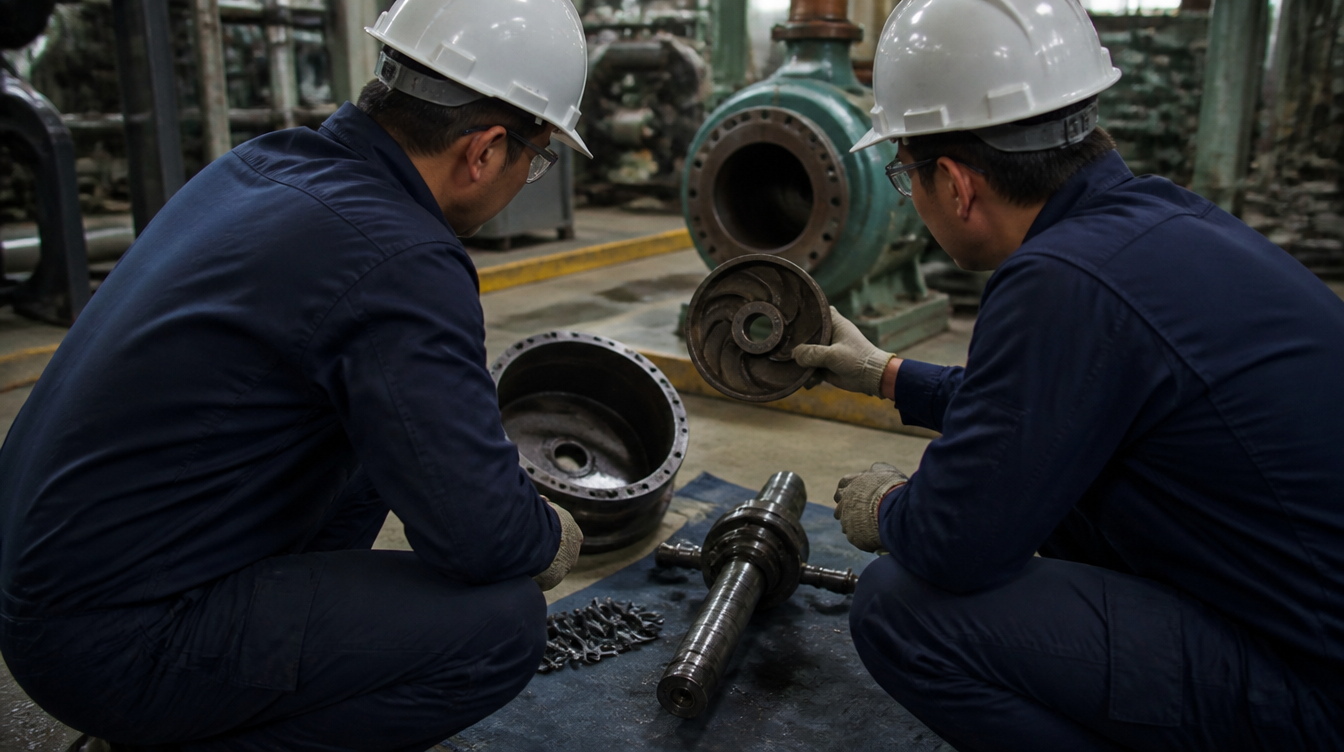
Think about your own facility. You probably have that one technician who can diagnose a pump failure by sound alone. The supervisor who knows exactly which valve needs adjusting when line 3 gets temperamental. The electrician who remembers why that particular breaker was installed at a non-standard spec back in 2004.
This is tribal knowledge. And it's disappearing faster than most operations teams realize.
The Hidden Costs: What Knowledge Loss Really Means for Your Bottom Line
When experienced maintenance workers retire, the financial impact extends far beyond recruitment and training costs. The real damage shows up in your operational metrics, and it's often devastating.
MTTR Skyrockets
Mean Time to Repair is one of the first casualties of knowledge loss. A Siemens report found that recovery time from downtime has increased by 60% over the past five years. Why? Because newer technicians lack the diagnostic shortcuts and troubleshooting wisdom that veterans developed over decades.
Consider what happens during an unexpected breakdown. An experienced technician might recognize the problem in minutes based on subtle indicators like unusual vibration patterns or temperature fluctuations. A less experienced worker, following only documented procedures, could spend hours diagnosing the same issue.
That difference translates directly into downtime costs. In high-volume manufacturing, even a single hour of unplanned downtime can cost $15,000 or more in lost production value.
The $92 Billion Human Error Problem
Here's a statistic that should keep every operations director up at night: 23% of machine downtime is caused by human errors. For U.S. manufacturers collectively, this translates to an estimated $92 billion in annual losses.
Knowledge loss amplifies this problem exponentially. When tribal knowledge walks out the door, new technicians are more likely to:
- Miss early warning signs of equipment failure
- Apply incorrect troubleshooting procedures
- Use inefficient repair methods
- Repeat mistakes that veterans learned to avoid years ago
Even worse, up to 70% of critical undocumented knowledge may be lost when experienced engineers retire. That's not just an inconvenience. It's an operational crisis.
The Replacement Cost Reality
Companies typically spend $20,000 to $40,000 to replace a skilled worker. But that figure barely scratches the surface. The real cost includes:
- Extended learning curves that reduce overall productivity
- Increased defect rates as subtle process adjustments are forgotten
- Lost institutional memory about past failures and successes
- Delayed innovation because contextual knowledge has disappeared
One survey found that 97% of manufacturers express significant concern about this "brain drain" and its impact on productivity. More than 60% of engineers identify the loss of tribal knowledge as an extremely or very important business concern.
For large U.S. businesses, poor knowledge transfer costs an estimated $47 million annually in wasted time, repeated mistakes, and delayed projects.
What Makes Maintenance Tribal Knowledge So Critical
Not all undocumented knowledge is created equal. Maintenance tribal knowledge is particularly valuable because it exists at the intersection of theory and real-world application. It includes:
Machine-Specific Quirks: Every piece of equipment develops its own personality over time. Experienced technicians know that the bearing on pump 7 always runs slightly hot, that motor 3B needs an extra five minutes of warmup on cold mornings, or that conveyor belt 2 requires tension adjustments every Tuesday.
Diagnostic Shortcuts: Veterans develop pattern recognition that can't be taught from a manual. They know what a particular sound means, how a specific smell indicates a lubrication issue, or what vibration pattern precedes catastrophic failure.
Workaround Wisdom: In the real world, equipment doesn't always behave according to spec sheets. Experienced technicians know the unofficial adjustments and temporary fixes that keep production running while waiting for proper repairs.
Supplier and Parts Intelligence: Long-tenured employees remember which vendor's bearings last longer, which replacement parts are actually compatible despite different part numbers, or how to modify off-the-shelf components to fit legacy equipment.
Safety Protocols Based on Experience: Official safety procedures are important, but veterans also know the specific hazards of each piece of equipment based on years of close calls and incidents that may never have been formally documented.
This knowledge represents the invisible infrastructure of your maintenance operation. Without it, even well-trained technicians struggle to maintain the efficiency and reliability you've come to depend on.
AI and Digital Tools: Transforming Tribal Knowledge into Institutional Assets
The good news? Technology has finally caught up with this problem. AI-powered solutions and digital tools are now capable of capturing, organizing, and deploying tribal knowledge in ways that weren't possible even five years ago.
Digital Work Instructions and Connected Worker Platforms
Modern digital work instruction platforms do more than simply display procedures. They create living, breathing guides that can capture the nuances of how work actually gets done.
These platforms allow experienced technicians to create step-by-step visual guides complete with photos, videos, and annotations. More importantly, they enable continuous updates as new insights emerge, ensuring that institutional knowledge stays current and accurate.
Connected worker solutions integrate with IoT sensors and mobile devices, providing technicians with real-time access to equipment history, maintenance logs, and troubleshooting guides right at the point of need.
AI-Powered Knowledge Capture
Artificial intelligence is revolutionizing how we capture and deploy maintenance expertise. Several approaches show particular promise:
Natural Language Processing for Maintenance Work Orders: AI systems can now analyze thousands of maintenance work orders, identifying patterns and extracting valuable troubleshooting insights. By processing unstructured text data, these systems can surface solutions that worked in similar situations, effectively digitizing the collective problem-solving wisdom of your entire maintenance history.
Companies like Siemens have implemented AI tools that capture data on how experienced technicians resolved issues, including the specific steps taken and decisions made. This information then trains new hires and provides guidance through virtual assistants, reducing training time by up to 50%.
Predictive Maintenance Analytics: Machine learning algorithms can identify patterns in equipment behavior that even experienced technicians might miss. By combining historical maintenance data with real-time sensor information, AI systems can predict failures before they occur and recommend specific interventions.
Digital Twins for Equipment: A digital twin creates a virtual replica of physical equipment, incorporating all its operational data, maintenance history, and performance characteristics. These twins can simulate different failure scenarios and test solutions before applying them to real equipment, effectively preserving the experimental knowledge that veterans accumulated through years of trial and error.
Video Documentation and AR Solutions
Sometimes the best way to capture tribal knowledge is to simply record the expert doing the work. Video documentation platforms make it easy to create visual libraries of complex procedures, complete with narration that explains the "why" behind each step.
Augmented reality takes this further by overlaying digital instructions onto physical equipment through smart glasses or mobile devices. This approach is particularly valuable for complex assembly or maintenance tasks where spatial relationships matter.
Mobile-Enabled Knowledge Management Systems
The best knowledge management solution is the one that technicians actually use. Mobile-enabled platforms ensure that documented procedures are accessible exactly when and where they're needed, not locked away in binders gathering dust in the office.
These systems typically include:
- Searchable databases of procedures and troubleshooting guides
- Quick-reference checklists for routine tasks
- Integration with CMMS for seamless workflow
- Offline access for work in areas without connectivity
- Version control to ensure everyone uses the latest information
Intelligent Chatbots and Virtual Assistants
AI-powered chatbots can serve as virtual mentors, answering technician questions in real-time by drawing on documented knowledge and historical data. These systems learn from each interaction, continuously improving their ability to provide relevant guidance.
Real-World Success: Companies Getting It Right
While the tribal knowledge crisis is real, some organizations are successfully meeting the challenge. Here's what we can learn from their approaches.
Cisco: Comprehensive Knowledge Transfer Programs
When Cisco faced knowledge loss from retiring technicians, they implemented a multi-faceted knowledge transfer program that paired experienced and newer technicians for structured mentoring. They also created a knowledge-sharing platform enabling field service technicians to access information and share insights easily with peers.
The results? A 40% reduction in service costs and a 30% increase in customer satisfaction. The key was combining human mentorship with robust digital tools.
Schneider Electric: Global Knowledge Management Systems
Schneider Electric tackled knowledge sharing across dispersed field service teams by implementing a global knowledge management system. This centralized platform allowed teams worldwide to share insights, troubleshooting tips, and best practices in real-time.
The system reduced inefficiencies, cut costs, and ensured that solutions discovered in one location could immediately benefit the entire organization.
Toyota: Structured Knowledge Transfer at Scale
Toyota has long distinguished between explicit knowledge (data and procedures that can be captured in words) and tacit knowledge (gained through experience). Their approach to preserving both types provides valuable lessons.
When launching new factories, Toyota sends 200-300 new employees to work alongside experienced workers at existing facilities. After this hands-on training, the newer employees transfer to the new factory accompanied by 100-200 highly experienced mentors who ensure Toyota's production system is properly implemented.
This systematic approach to knowledge transfer has allowed Toyota to maintain quality and efficiency across global operations despite workforce changes.
The Common Thread
Successful knowledge transfer programs share several characteristics:
- Leadership commitment: Senior management actively supports and participates in documentation efforts
- Cultural emphasis: Knowledge sharing is recognized and rewarded, not seen as threatening job security
- Technology enablement: Modern platforms make capturing and accessing knowledge easy
- Structured processes: Formal programs ensure knowledge transfer happens systematically, not haphazardly
- Continuous improvement: Knowledge bases are regularly updated and refined based on user feedback
Your Action Plan: Practical Steps to Start Documenting Tribal Knowledge Today
You don't need to wait for a perfect system to start capturing critical knowledge. Here's a practical roadmap you can implement immediately.
Step 1: Identify Your Knowledge Holders and Critical Gaps
Start with a simple audit. Who on your team holds critical tribal knowledge? Look for:
- Employees with 10+ years at your facility
- Technicians who consistently resolve problems faster than others
- Team members that others regularly turn to for advice
- Anyone approaching retirement in the next 3-5 years
Next, identify which knowledge areas are most critical to document. Prioritize based on:
- Impact if the knowledge is lost (would it cause line shutdowns?)
- Frequency of use (daily tasks vs. rare occurrences)
- Complexity (difficult to learn from manuals alone)
- Current level of documentation (gaps in existing procedures)
Step 2: Create a Knowledge Capture Framework
Don't try to document everything at once. Focus on high-value areas first. A practical framework might prioritize:
Tier 1 - Document Immediately:
- Critical equipment that would cause significant downtime if improperly maintained
- Safety-related procedures based on past incidents
- Complex troubleshooting sequences for frequent problems
- Vendor-specific knowledge about discontinued or legacy equipment
Tier 2 - Document Within 6 Months:
- Efficiency improvements and optimization techniques
- Seasonal or periodic maintenance requirements
- Integration points between systems
- Historical context for why things are done certain ways
Tier 3 - Document as Resources Allow:
- Nice-to-know background information
- Alternative methods that work but aren't preferred
- Equipment that's scheduled for replacement
- Rarely-used procedures with good existing documentation
Step 3: Choose Your Documentation Methods
Different types of knowledge require different capture methods. Mix and match based on what works best:
For Sequential Procedures:
- Step-by-step written guides with photos
- Video demonstrations with voiceover narration
- Interactive digital checklists
- Flowcharts for decision-tree processes
For Diagnostic Knowledge:
- Troubleshooting decision trees
- Symptom-to-cause matrices
- Video library of normal vs. abnormal operation
- Annotated equipment diagrams
For Contextual Knowledge:
- Recorded interviews with veterans explaining "why"
- Case studies of past problems and solutions
- Equipment history logs with lessons learned
- Vendor communication records
Step 4: Implement Structured Knowledge Capture Sessions
Don't wait for knowledge to come to you. Create dedicated time for capture:
Shadow Sessions: Assign someone to shadow veteran technicians during their work, documenting procedures and asking questions. Even 2-3 hours per week yields valuable insights.
Debriefing After Complex Repairs: When your team completes a difficult repair, hold a brief debrief to document what worked, what didn't, and what they learned. Capture this while it's fresh.
Mentorship Programs: Pair experienced technicians with newer ones, but structure the program with specific knowledge transfer goals and documentation requirements.
Pre-Retirement Knowledge Transfer: When someone announces retirement, create a formal 3-6 month knowledge transfer period where documenting their expertise becomes a primary responsibility.
Step 5: Make Documentation Easy and Rewarding
The biggest barrier to capturing tribal knowledge is often the documentation process itself. Remove friction by:
Providing the Right Tools: Give your team easy-to-use documentation platforms. Mobile-friendly apps that allow photos, voice notes, and quick text entry work far better than demanding formal write-ups.
Building It Into Workflows: Instead of treating documentation as extra work, integrate it into existing processes. For example, require brief notes in work orders about non-standard solutions or lessons learned.
Recognizing Contributions: Acknowledge and reward employees who actively contribute to knowledge documentation. This could be formal recognition, small bonuses, or even just regular thank-yous in team meetings.
Leading by Example: When leaders actively participate in documenting their own knowledge and regularly reference the knowledge base, it signals that this work matters.
Step 6: Create Feedback Loops for Continuous Improvement
Documentation is never "done." Build mechanisms for continuous refinement:
- Encourage users to flag outdated or incorrect information
- Schedule quarterly reviews of high-priority procedures
- Track which documents get used most often and improve them first
- Gather feedback from new hires about which areas need better documentation
- Update procedures immediately when processes change
Step 7: Ensure Knowledge Is Accessible When Needed
The best documentation in the world is useless if no one can find it. Focus on accessibility:
- Implement robust search functionality across all documentation
- Organize information logically by equipment, system, or problem type
- Provide multiple paths to the same information (search, browse, links from related topics)
- Make critical procedures available offline for areas without connectivity
- Create quick-reference guides for common tasks
- Integrate documentation links directly into your CMMS
The Technology Stack: What You Actually Need
You don't need to invest in every new technology to start capturing tribal knowledge effectively. Here's a realistic view of what different organizations need:
For Small Operations (1-3 maintenance technicians)
Minimum Viable Approach:
- Cloud-based documentation platform (Google Workspace, Microsoft 365)
- Smartphone cameras for photos and videos
- Simple checklist app (many free options available)
- Basic file organization system
Better Option:
- Entry-level knowledge management system (~$50-200/month)
- Mobile CMMS with documentation features
- Video hosting platform with organizational features
For Medium Operations (4-15 maintenance technicians)
Core Requirements:
- Dedicated knowledge management platform
- CMMS with integrated work instruction capabilities
- Mobile devices for technicians
- Basic IoT sensors for critical equipment
Enhanced Capabilities:
- Digital work instruction platform with multimedia support
- Connected worker solution with mobile apps
- Basic predictive maintenance analytics
For Large Operations (16+ maintenance technicians)
Comprehensive Solution:
- Enterprise knowledge management system
- Advanced CMMS with full integration
- Connected worker platform with AR capabilities
- Predictive maintenance AI with digital twin functionality
- Comprehensive IoT sensor network
- Analytics dashboard for continuous improvement
The key is starting where you are and scaling up as you prove value and build capabilities.
Overcoming Common Barriers
Even with the best intentions, knowledge capture initiatives often face resistance. Here's how to address the most common obstacles:
"I Don't Have Time for This"
This is the most frequent pushback from both technicians and managers. The response? Frame documentation as an investment, not an expense.
Calculate the cost of just one extended downtime event caused by knowledge loss. Compare that to the time investment in documentation. For most operations, documenting just 2-3 critical procedures pays for itself after a single avoided incident.
Also, start small. Document one critical procedure per week. That's 52 procedures in a year with minimal time investment.
"My Knowledge Is What Makes Me Valuable"
Some experienced workers worry that documenting their expertise makes them replaceable. Address this directly:
- Emphasize that sharing knowledge actually increases their value by enabling them to take on more strategic roles
- Recognize and reward knowledge sharing formally
- Make it clear that the goal is team resilience, not individual replacement
- Point out that documenting knowledge frees up experts from repetitive questions, allowing them to focus on complex challenges
"Documentation Gets Outdated Too Quickly"
This concern is valid but manageable. The solution is treating documentation as living content:
- Build review cycles into your maintenance calendar
- Assign ownership of specific documentation areas
- Make updates part of the process whenever procedures change
- Use version control and change logs
- Accept that 80% accurate documentation beats 0% documentation
"Our Processes Are Too Complex to Document"
Nothing is too complex to document, though some things require more sophisticated approaches. For genuinely complex procedures:
- Break them into smaller, more manageable chunks
- Use multiple media types (video for visual tasks, flowcharts for decisions)
- Document the decision-making criteria, not just the steps
- Create tiered documentation (quick reference plus detailed explanation)
- Consider using experienced technicians as content reviewers to ensure accuracy
The Path Forward: Making This Your Competitive Advantage
The tribal knowledge crisis is real, but it's also an opportunity. Organizations that successfully capture and institutionalize maintenance expertise will gain significant competitive advantages:
- Lower MTTR and reduced downtime costs
- Faster onboarding of new technicians
- More consistent quality across shifts and teams
- Better ability to scale operations
- Reduced dependency on specific individuals
- Preserved innovation and continuous improvement insights
The companies that thrive over the next decade won't be the ones with the most experienced workforce today. They'll be the ones that successfully transfer expertise from one generation to the next, building institutional knowledge that outlasts individual careers.
Your Next Steps
The tribal knowledge crisis won't solve itself, and waiting makes the problem worse. Every month of delay means more knowledge walking out the door. Here's what to do this week:
Day 1: Identify the top 3 people on your team who hold the most critical tribal knowledge. List the top 10 procedures or areas where knowledge loss would cause the most pain.
Day 2: Choose one documentation method and one high-priority procedure to start with. Schedule 1 hour with the knowledge holder to begin capturing this information.
Day 3: Create that first piece of documentation, even if imperfect. Make it accessible to your team and ask for feedback.
Day 4: Based on feedback, refine the documentation and identify the next procedure to document.
Day 5: Establish a regular schedule for knowledge capture sessions. Even 2 hours per week will yield significant results over time.
The perfect system doesn't exist, and waiting for it means losing valuable knowledge every single day. Start where you are, with what you have, and build from there.
Your maintenance team's expertise is too valuable to let it disappear. The tools and approaches exist to preserve it. The only question is whether you'll act before it's too late.
Ready to transform your tribal knowledge into institutional assets? The time to start is now. Your future maintenance team will thank you for the foundation you build today.